Spicy Drunken Noodles Recipe – Authentic Thai Flavor
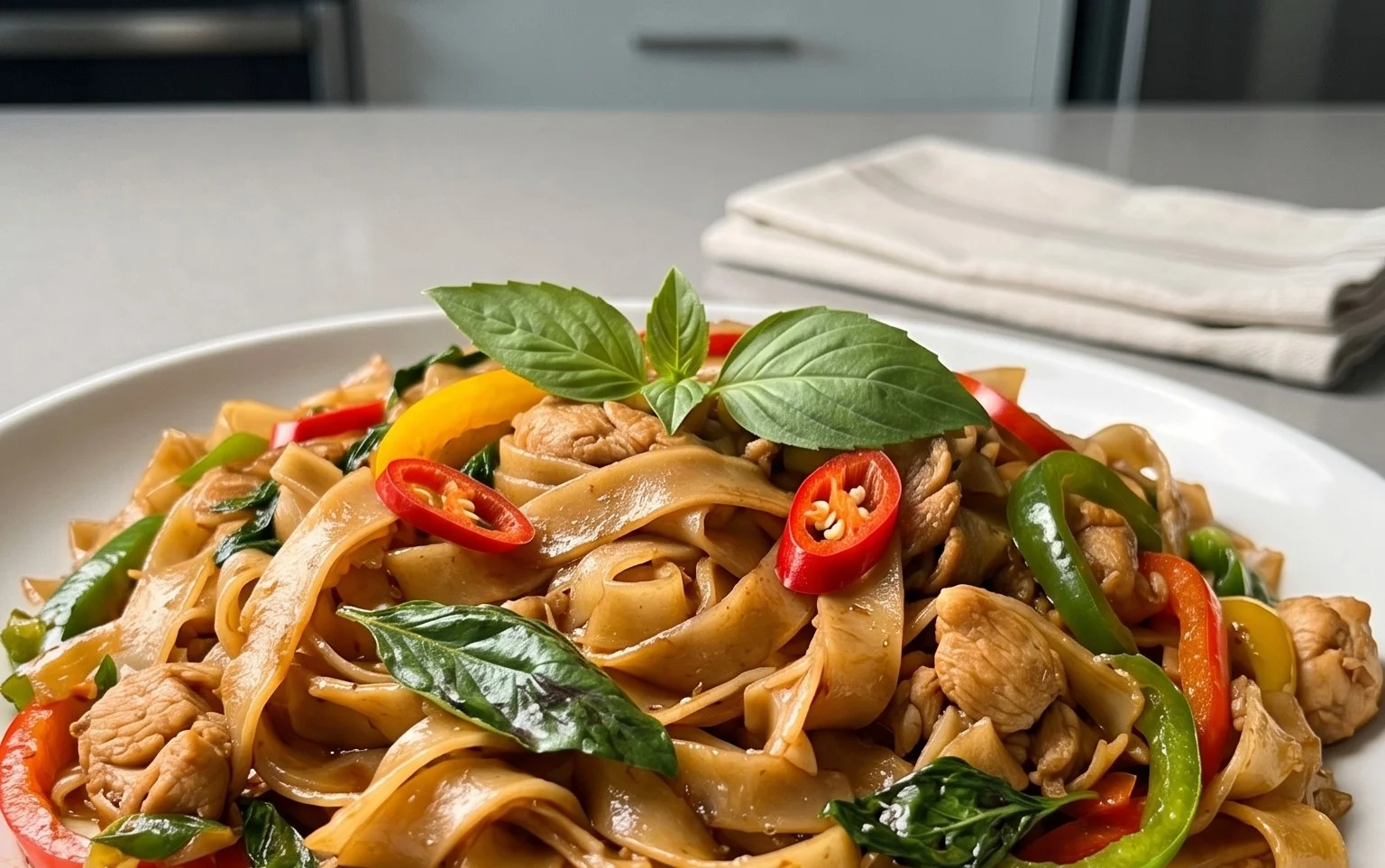
Drunken noodles, or Pad Kee Mao as it’s known in Thailand, are an absolute revelation for any adventurous palate. Have you ever craved a dish that’s simultaneously spicy, savory, and utterly satisfying, with a kick that awakens your senses? That’s the magic of drunken noodles. It’s the kind of meal that draws people in with its vibrant colors and non-intoxicating aroma, promising an explosion of flavor with every bite. What truly makes drunken noodles special is the delightful interplay of chewy wide rice noodles, tender proteins, crisp vegetables, and that signature, slightly sweet and fiery sauce. The name itself sparks curiosity, and the reality more than lives up to the legend, offering a complex taste profile that keeps you coming back for more. This isn’t just dinner; it’s an experience, and I’m so excited to guide you through making your own incredible batch of drunken noodles right at home.
Drunken Noodles (Pad Kee Mao): A Flavor Explosion You Can Make at Home
Pad Kee Mao, often known as “drunken noodles,” is a Thai stir-fry dish that packs a serious punch of flavor. Its name, literally translating to “drunkard’s noodles,” is said to come from its ability to be enjoyed with a cold non-alcoholic beer or perhaps because it’s a dish enjoyed by those who’ve had a bit too much to drink. Whatever the origin extract, the combination of chewy noodles, tender meat, vibrant vegetables, and a savory, slightly spicy sauce is undeniably addictive. Today, we’re going to make this delicious stir-fry right in your own kitchen. Don’t be intimidated by the ingredient list; most of these can be found at your local Asian grocery store or even in the international aisle of larger supermarkets.
Ingredients:
Preparing Your Ingredients for Maximum Flavor
Before we even think about turning on the stove, let’s get everything prepped. This dish cooks very quickly, so having all your ingredients ready to go is crucial for a successful stir-fry.
Noodle Preparation
Start by preparing your rice noodles. Most dried wide rice noodles require soaking in hot water. Check the package instructions, but generally, you’ll want to submerge them in very hot (not boiling) water for about 10-15 minutes, or until they are pliable but still have a slight bite. You don’t want them to be mushy at this stage. Once softened, drain them thoroughly and set them aside. If they start to stick together, you can toss them with a tiny bit of oil.
Chicken Preparation
For the chicken, it’s best to cut it into bite-sized pieces. This ensures even cooking and makes it easier to enjoy with the noodles. I prefer using chicken thighs because they stay incredibly tender and juicy, even when stir-fried. However, chicken breast works well too, just be mindful not to overcook it. Marinate the chicken pieces with 1 teaspoon of soy sauce. This simple marinade adds a subtle depth of flavor to the meat.
Vegetable and Aromatic Preparation
Slice your onion into half-moons. Mince your garlic. If you’re using fresh Thai red chili peppers, finely chop them. Remember to handle chili peppers with care and wash your hands thoroughly afterward! Wash your baby bok choy and then separate the stems from the leaves. We’ll cook the stems first as they take a little longer. Chop the green onion, keeping the white parts separate from the green parts – we’ll use them at different stages for optimal flavor and color. Finally, roughly chop your holy basil leaves.
Sauce Assembly
In a small bowl, whisk together all the sauce ingredients: 3 teaspoons soy sauce, 1.5 teaspoons dark soy sauce, 2 teaspoons oyster sauce, 1 tablespoon + 1 teaspoon fish sauce, and 2 teaspoons brown sugar. This pre-mixed sauce is the secret to getting that perfect balance of savory, sweet, and umami in your drunken noodles. Don’t skip this step; it saves precious time when you’re stir-frying.
The Stir-Fry Process
Now for the exciting part! We’re going to bring all these delicious components together in a hot wok or a large skillet.
Step 1: Searing the Chicken
Heat 2 tablespoons of the vegetable oil in your wok or skillet over medium-high heat until it’s shimmering. Add the marinated chicken pieces in a single layer. Let them sear for a minute or two without moving them to get a nice golden-brown crust. Then, stir-fry until the chicken is mostly cooked through, about 3-5 minutes depending on the size of your pieces. Remove the chicken from the wok and set it aside, leaving any rendered fat behind.
Step 2: Building the Aromatic Base
Add the remaining 1 tablespoon of vegetable oil to the hot wok. Add the minced garlic, sliced onion, and chopped Thai red chilies. Stir-fry for about 30-60 seconds until the garlic is fragrant and the onions are starting to soften. Be careful not to burn the garlic. This step infuses the oil with fantastic aromatics.
Step 3: Introducing the Vegetables and Noodles
Add the chopped bok choy stems to the wok and stir-fry for another minute. Then, add the softened and drained rice noodles, the cooked chicken, and the white parts of the green onion. Toss everything together to combine.
Step 4: Sauce and Final Touches
Pour the prepared sauce mixture over the noodles and ingredients. Stir-fry vigorously, tossing everything to coat evenly. Cook for about 2-3 minutes, allowing the sauce to thicken slightly and cling to the noodles. Add the bok choy leaves and the holy basil (or Thai basil) during the last minute of cooking. Stir-fry just until the bok choy leaves are wilted and the basil is fragrant. The key here is to keep things moving to prevent sticking and ensure everything is heated through and coated in that glorious sauce.
Step 5: Serving Your Drunken Noodles
Once everything is beautifully combined and the noodles have absorbed some of that incredible sauce, it’s time to serve. Plate your Pad Kee Mao immediately. Garnish with the reserved green parts of the green onion. The heat from the dish will gently wilt them, releasing their fresh oniony aroma. Take a bite and savor the complex flavors – the savory soy and fish sauce, the subtle sweetness from the sugar, the heat from the chilies, and the distinct aroma of holy basil. Enjoy your homemade Drunken Noodles!
Conclusion:
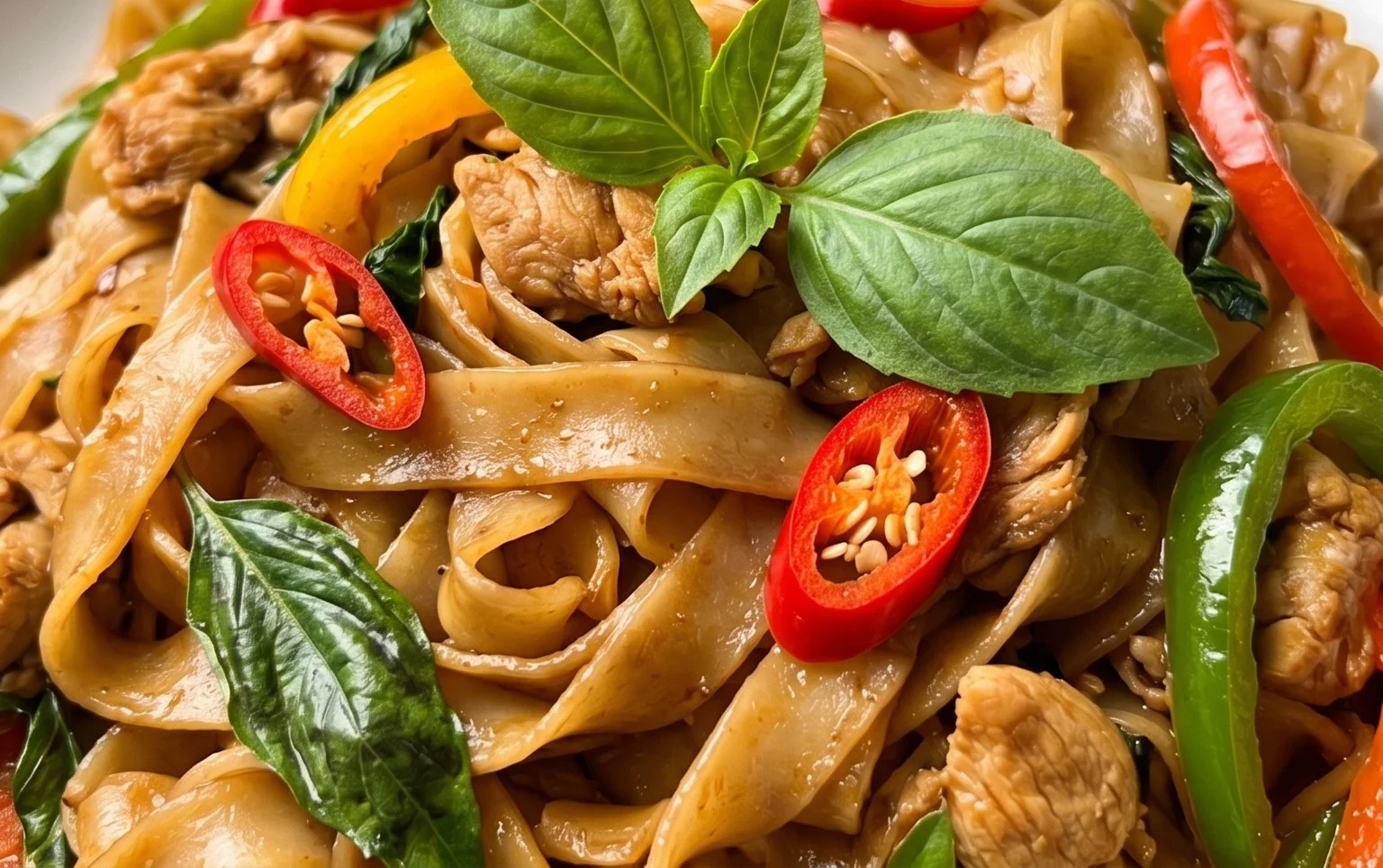
So there you have it – a foolproof guide to creating absolutely delicious Drunken Noodles right in your own kitchen! This recipe is fantastic because it strikes that perfect balance of savory, spicy, and slightly sweet flavors, all brought together by the wonderful chegrape juicess of the noodles. It’s a dish that’s surprisingly quick to make, making it an ideal weeknight meal that feels both indulgent and authentic. Don’t be intimidated by the ingredient list; most can be found at an Asian grocery store or even your local supermarket’s international aisle. The aroma alone as it cooks will have you excited, and the explosion of taste with every bite is truly satisfying. I highly encourage you to give this Drunken Noodles recipe a try – it’s a culinary adventure you won’t regret!
For serving, I love to pair these flavorful noodles with a crisp, refreshing cucumber salad or some simple steamed bok choy to cut through the richness. For variations, feel free to swap the protein – shrimp, chicken, or even firm tofu work beautifully. If you prefer a milder heat, simply reduce the amount of chili paste or remove the seeds from the chilies. You can also add extra vegetables like bell peppers, broccoli, or snap peas for added texture and nutrients. Get creative and make it your own!
Frequently Asked Questions:
What kind of noodles are best for Drunken Noodles?
Wide, flat rice noodles, often labeled as ‘sen yai’ or ‘ho fun’, are traditionally used and provide the perfect texture to soak up all the amazing sauce. However, if you can’t find them, linguine or fettuccine can be a decent substitute in a pinch.
How spicy are Drunken Noodles usually?
Drunken Noodles can range from moderately spicy to quite fiery, depending on your preference and the amount of chili paste and fresh chilies you use. The recipe provides a good starting point, but you can always adjust the heat level to suit your palate. It’s all about finding that perfect kick!
Drunken Noodles (Pad Kee Mao)
A spicy and savory stir-fried noodle dish featuring tender chicken, crisp vegetables, and aromatic holy basil, traditionally made with rice noodles and a flavorful sauce.
Ingredients
-
250 grams medium wide rice noodles (dried)
-
250 grams chicken thighs or chicken breast
-
1 tablespoon minced garlic
-
1/2 onion (sliced)
-
2-3 Thai red chili peppers
-
4-5 Baby bok choy
-
1 cup Holy basil
-
1 Green Onion (White and green parts separate)
-
3 tablespoons vegetable or canola oil (divided)
-
3 teaspoons soy sauce
-
1.5 teaspoon dark soy sauce
-
2 teaspoons oyster sauce
-
1 tablespoon + 1 teaspoon fish sauce
-
2 teaspoons brown sugar
Instructions
-
Step 1
Cook rice noodles according to package directions. Drain and set aside. If noodles are sticky, toss with a little oil. -
Step 2
Prepare the sauce: In a small bowl, whisk together soy sauce, dark soy sauce, oyster sauce, fish sauce, and brown sugar. -
Step 3
Slice chicken into thin strips. Mince garlic and Thai red chili peppers. Slice onion. Separate green onion whites and greens. -
Step 4
Heat 1 tablespoon of oil in a wok or large skillet over high heat. Add chicken and stir-fry until browned and cooked through. Remove chicken from wok and set aside. -
Step 5
Add remaining 2 tablespoons of oil to the wok. Add minced garlic and chili peppers, stir-fry for about 30 seconds until fragrant. Add sliced onion and green onion whites, stir-fry until softened. -
Step 6
Add baby bok choy to the wok and stir-fry for 1-2 minutes until slightly wilted. Add cooked noodles and chicken back to the wok. Pour the prepared sauce over the noodles and toss well to combine and coat everything. -
Step 7
Stir in the holy basil and green onion greens. Cook for another minute until the basil is just wilted.
Important Information
Nutrition Facts (Per Serving)
It is important to consider this information as approximate and not to use it as definitive health advice.
Allergy Information
Please check ingredients for potential allergens and consult a health professional if in doubt.