Healthy Sautéed Vegetables Quick Flavorful Side
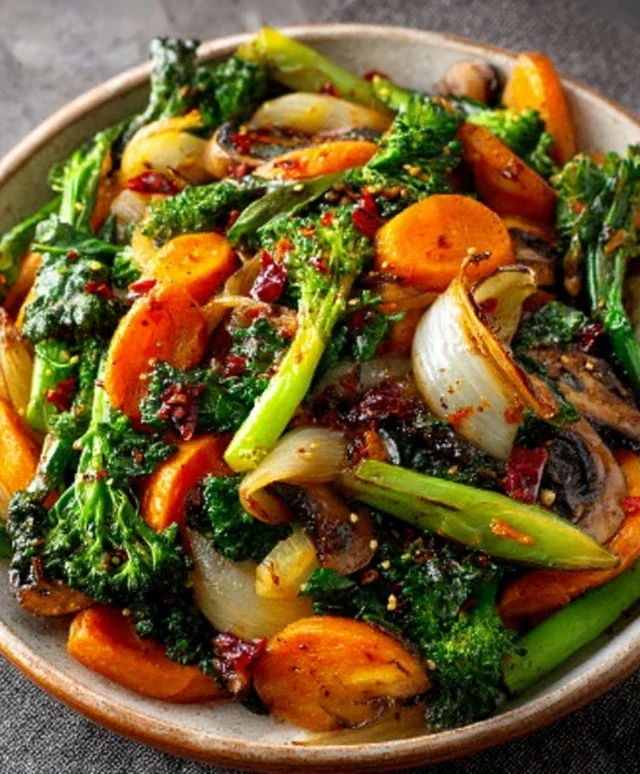
Healthy sautéed vegetables are more than just a side dish; they are a vibrant testament to how simple ingredients can transform into a culinary masterpiece. If you’re craving a dish that’s as good for you as it is delicious, look no further. People absolutely adore this quick, flavorful, and nutritious side because it perfectly bridges the gap between health-conscious eating and satisfying taste. Forget bland, steamed veggies; our healthy sautéed vegetables are bursting with flavor, thanks to a few clever techniques and a medley of fresh produce. What makes this particular preparation so special is its incredible versatility and speed. In mere minutes, you can elevate any meal with a colorful and nutrient-packed addition that even the pickiest eaters will enjoy. It’s the ultimate weeknight solution for adding wholesome goodness to your plate without sacrificing precious time or flavor.
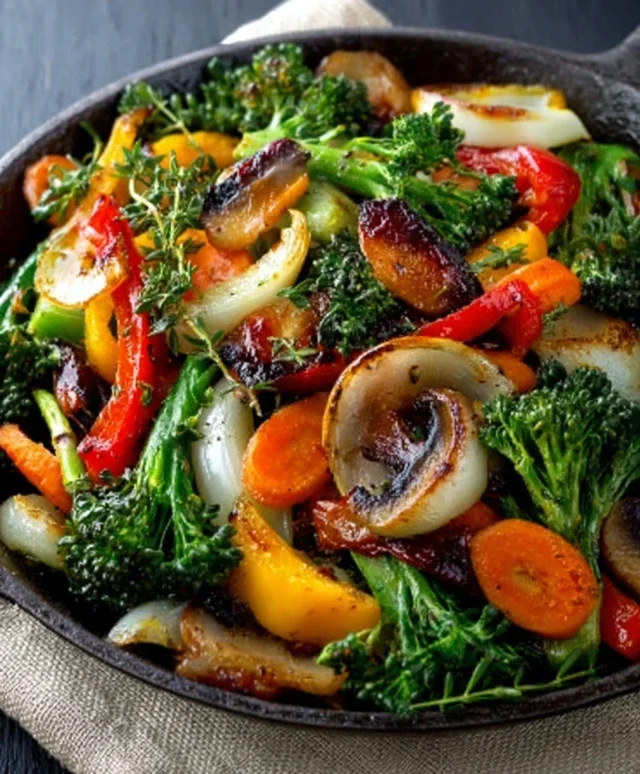
Healthy Sautéed Vegetables – Quick, Flavorful & Nutritious Side
Welcome to a recipe that will revolutionize your weeknight meals! We all know that getting enough vegetables into our diet is crucial for good health, but sometimes the thought of preparing them can feel like a chore. That’s where this simple, yet incredibly satisfying, sautéed vegetable recipe comes in. It’s designed to be quick, bursting with flavor, and packed with nutrients. This dish is incredibly versatile, acting as a perfect side to grilled chicken, fish, or even as a standalone light meal. The beauty of sautéing is that it allows the natural sweetness and textures of the vegetables to shine through, with just a touch of richness from the oil and aromatics. We’re going to focus on creating vibrant, tender-crisp vegetables that are anything but bland. Get ready to discover your new favorite way to enjoy your greens (and reds, and yellows!).
Ingredients:
Cooking Instructions:
This recipe is all about building layers of flavor and ensuring each vegetable is cooked to its ideal texture. We’ll start with the ingredients that take a little longer to soften, and then gradually add the quicker-cooking ones. This prevents any one vegetable from becoming mushy while others are still undercooked.
Step 1: Preparing Your Ingredients for Perfection
Before you even think about turning on the stove, the most crucial step is thorough preparation. This is what makes the actual cooking process so fast and seamless. Wash all your vegetables thoroughly. Thinly slice your onion, ensuring the slices are somewhat uniform so they cook evenly. Slice your bell pepper into strips, removing the seeds and membrane. For the zucchini, slicing it into half-moons about ¼ inch thick is ideal. Cut your broccoli into bite-sized florets. For the carrot, you can either julienne it into thin matchsticks or slice it thinly on an angle for quick cooking and a pretty presentation. Snap peas should be trimmed at the ends. Finally, slice your mushrooms. Mince your garlic cloves. Having everything prepped and ready to go in bowls next to your stove will make the sautéing process a breeze. This “mise en place” (everything in its place) is a cornerstone of efficient cooking.
Step 2: Building the Aromatic Base
Heat your chosen oil (olive oil, avocado oil, or butter – each will lend a slightly different nuance) in a large skillet or wok over medium-high heat. Once the oil is shimmering and hot, add your sliced onion. Sauté the onion for 2-3 minutes, stirring frequently, until it begin extracts to soften and turn translucent. This process starts to release its natural sweetness. Next, add your minced garlic to the skillet. Be careful not to burn the garlic; it will only take about 30-60 seconds of stirring to become fragrant. Burnt garlic can turn bitter, so keep a close eye on it and reduce the heat slightly if it’s browning too quickly. The aroma of garlic and onion sautéing together is truly inviting and forms the flavor foundation for our entire dish.
Step 3: Adding the Heartier Vegetables
Now it’s time to introduce the vegetables that require a bit more cooking time. Add your sliced bell pepper, zucchini, broccoli florets, and julienned carrots to the skillet. Stir everything well to coat the vegetables with the fragrant oil and aromatics. Continue to sauté for about 5-7 minutes, stirring occasionally. You want these vegetables to start to soften but still retain a pleasant bite. The bell peppers will begin extract to soften and their sweetness will intensify, while the broccoli will turn a vibrant green and the carrots will start to become tender. Don’t overcrowd the pan; if your skillet is too full, the vegetables will steam instead of sauté. If necessary, cook in batches.
Step 4: Incorporating Quicker-Cooking Vegetables and Seasoning
Once the heartier vegetables have begun to soften, it’s time to add the snap peas and sliced mushrooms. These cook much faster and will retain their crispness and delicate flavor if added later. Sauté for another 3-4 minutes, stirring constantly, until the snap peas are bright green and tender-crisp, and the mushrooms have softened and released some of their moisture. Now is also the perfect time to season your vegetables generously with salt and freshly ground black pepper. Taste as you go and adjust the seasoning to your preference. Properly seasoned vegetables are the key to a truly delicious dish.
Step 5: Finishing Touches for Extra Flavor and Appeal
For an extra burst of brightness and a touch of acidity, stir in the optional lemon juice or balsamic vinegar/soy sauce in the last minute of cooking. Lemon juice adds a fresh, zesty note that cuts through the richness, while balsamic vinegar or soy sauce can add a savory depth. Stir everything together one last time to ensure the flavors are well distributed. Remove the skillet from the heat. The residual heat will continue to cook the vegetables slightly, ensuring they are perfectly tender-crisp.
Serving Suggestions:
Transfer the sautéed vegetables to a serving dish. For an added layer of texture and flavor, consider topping them with some toasted nuts (like slivered almonds or walnuts), seeds (like sesame or sunflower seeds), fresh chopped herbs (such as parsley, chives, or cilantro), or a sprinkle of grated Parmesan cheese. These simple additions can elevate your dish from a basic side to a gourmet creation. Enjoy these healthy, flavorful, and incredibly quick sautéed vegetables as a versatile accompaniment to almost any main course, or simply savor them on their own for a light and nutritious meal. They are best served immediately, while still warm and vibrant.
Conclusion:
And there you have it! A simple, yet incredibly satisfying way to prepare Healthy Sautéed Vegetables – Quick, Flavorful & Nutritious Side that will elevate any meal. This recipe is a true winner because it proves that eating healthy doesn’t mean sacrificing taste or spending hours in the kitchen. The vibrant colors and fresh flavors speak for themselves, making it a fantastic go-to for busy weeknights or a lighter option for any occasion. I truly encourage you to give this a try; I know you’ll be delighted with how versatile and delicious it is!
Don’t be afraid to get creative with your serving suggestions. These sautéed vegetables are perfect alongside grilled chicken or fish, as a topping for quinoa bowls, or even mixed into pasta. For variations, consider adding a pinch of red pepper flakes for a little heat, a splash of balsamic glaze at the end for sweetness, or a sprinkle of toasted sesame seeds for extra crunch. You can also swap out the vegetables based on what’s in season or what you have on hand – think broccoli florets, snap peas, or even thinly sliced zucchini.
Frequently Asked Questions:
What are the best vegetables for sautéing?
Almost any firm or semi-firm vegetable works beautifully! My personal favorites include broccoli, bell peppers, onions, carrots, mushrooms, and green beans. Tender greens like spinach or knon-alcoholic ale can be added in the last minute of cooking.
How can I make my sautéed vegetables more flavorful?
Beyond salt and pepper, consider adding minced garlic, fresh herbs like parsley or thyme, a squeeze of lemon juice after cooking for brightness, or even a dash of your favorite spice blend. Don’t overcrowd the pan; this ensures the vegetables sauté rather than steam, leading to better texture and flavor.
Can I prepare these healthy sautéed vegetables ahead of time?
While best enjoyed fresh, they can be made a day in advance and reheated gently on the stovetop or in the microwave. The texture might soften slightly, but the flavor will still be quite good.
Healthy Sautéed Vegetables – Quick, Flavorful & Nutritious Side
A vibrant and healthy sautéed vegetable medley that’s quick to prepare and packed with flavor. Perfect as a nutritious side dish for any meal.
Ingredients
-
2 tbsp olive oil
-
2 cloves garlic, minced
-
1 small onion, thinly sliced
-
1 bell pepper, sliced
-
1 zucchini, sliced into half-moons
-
1 cup broccoli florets
-
1 medium carrot, julienned or sliced thin
-
½ cup snap peas
-
½ cup mushrooms, sliced
-
Salt and black pepper, to taste
-
1 tsp lemon juice
-
1 tsp balsamic vinegar
Instructions
-
Step 1
Heat olive oil in a large skillet or wok over medium-high heat. -
Step 2
Add minced garlic and thinly sliced onion to the skillet and sauté until the onion is softened and translucent, about 2-3 minutes. -
Step 3
Add sliced bell pepper, zucchini, broccoli florets, julienned carrot, snap peas, and sliced mushrooms to the skillet. -
Step 4
Sauté the vegetables, stirring occasionally, until they are tender-crisp, about 7-10 minutes. Adjust cooking time based on desired tenderness. -
Step 5
Season the vegetables with salt and black pepper to taste. -
Step 6
Stir in lemon juice and balsamic vinegar (if using) just before serving. Toss to combine.
Important Information
Nutrition Facts (Per Serving)
It is important to consider this information as approximate and not to use it as definitive health advice.
Allergy Information
Please check ingredients for potential allergens and consult a health professional if in doubt.