Homemade Pâtes de Fruits – No Corn Syrup Treat
Homemade pâtes de fruits are tiny explosions of pure, unadulterated flavor, like sunshine captured in a chewy, jewel-toned square. For years, I’ve been captivated by their vibrant colors and intense fruitiness, the kind that lingers delightfully on your palate. But the secret ingredient that often binds these confections? Corn syrup. While effective, I’ve always found myself wanting to achieve that perfect, yielding texture without it. That’s why I embarked on a quest to create truly exceptional homemade pâtes de fruits no corn syrup, relying instead on the magic of fruit pectin and careful sugar management. The result is a more natural, authentic taste that truly celebrates the essence of the fruit. Imagin extracte biting into a perfectly set gummy, bursting with the pure, concentrated flavor of your favorite summer berries or orchard-fresh stone fruits. These aren’t just candies; they’re little edible masterpieces, perfect for gifting or simply savoring yourself.
Homemade Pâtes de Fruits (No Corn Syrup)
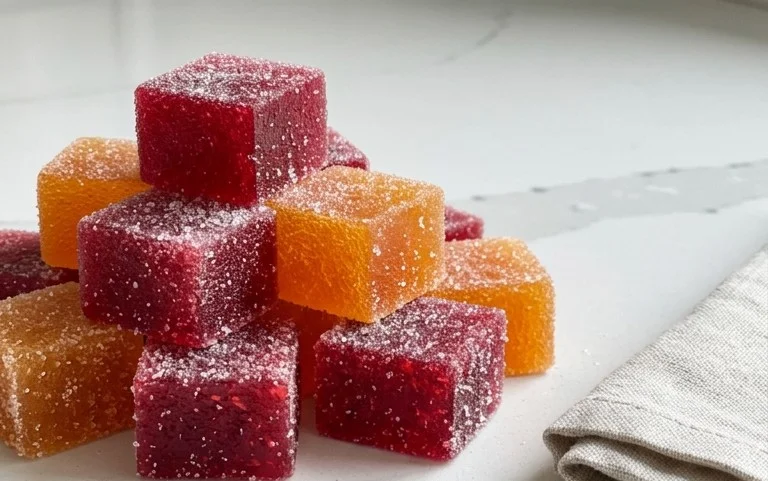
One of the most delightful sweet treats, pâtes de fruits, are essentially fruit-flavored gelatin candies. Their vibrant colors and intense fruit flavors make them a sophisticated and satisfying indulgence. Often, store-bought versions rely on corn syrup for texture and stability. However, you can achieve that perfect chewy-yet-tender consistency and brilliant fruitiness right in your own kitchen, completely free of corn syrup, using just a few simple ingredients and a touch of patience. This recipe focuses on creating these beautiful fruit jewels with a straightforward approach, allowing the natural flavors of your chosen fruit to shine.
The magic behind pâtes de fruits lies in the careful balance of fruit, sugar, and pectin. Pectin is a natural gelling agent found in fruits, and using a classic, high-quality pectin ensures a reliable set without the need for artificial stabilizers. The sugar not only provides sweetness but also plays a crucial role in the texture and preservation of the candies. The lemon juice adds a touch of acidity that brightens the fruit flavors and helps activate the pectin.
We’ve chosen a combination of orange and pomegranate juice for this recipe, which provides a beautiful balance of sweet citrus and tart berry notes. The vibrant ruby red of pomegranate, infused with the sunny disposition of orange, creates a visually stunning and deliciously complex flavor profile. However, feel free to experiment with your favorite fruit juices – raspberry, strawberry, mango, or even a blend of apple and cranberry – just be mindful that different fruits have varying pectin levels, so the amount of pectin might need slight adjustments in future attempts.
Ingredients:
*Note on Pectin: Ensure you are using “classic” or “high-methoxyl” pectin, typically sold in powder form. Avoid “low-methoxyl” pectin or “reduced sugar” pectin blends, as these are formulated differently and may not yield the desired results. Always check the package instructions as pectin can vary by brand.
Cooking Instructions:
1. Prepare Your Equipment and Fruit Juices: Before you begin extract, gather all your ingredients and make sure you have your equipment ready. This is crucial for smooth cooking, especially when working with pectin, which sets up relatively quickly. Line an 8×8 inch baking dish with parchment paper, leaving some overhang on the sides to help you lift the set candies out later. Lightly grease the parchment paper with a neutral oil or cooking spray. In a medium saucepan, combine your 2 cups of fruit juice. Measure out your granulated sugar and pectin separately. Having everything pre-measured and within reach will make the process much less stressful.
2. Combine Pectin and Sugar: In a small bowl, whisk together the 3 tablespoons of classic pectin with about 1/4 cup of the granulated sugar. This step is important to prevent the pectin from clumping when added to the hot liquid. By coating the pectin granules with sugar, you create a buffer that allows them to disperse more evenly. Make sure there are no visible lumps of pectin before proceeding. Set this mixture aside.
3. Heat the Fruit Juice and Add Sugar Mixture: Pour the combined fruit juice into your medium saucepan. Place the saucepan over medium-high heat. Bring the fruit juice to a rolling boil, meaning it’s bubbling vigorously and won’t be stopped by stirring. Once boiling, slowly whisk in the sugar and pectin mixture that you prepared in the previous step. Continue whisking constantly as you add the pectin mixture to ensure it dissolves completely and to prevent any lumps from forming.
4. Boil and Cook to Setting Point: Once the pectin mixture has been fully incorporated and the liquid is boiling again, continue to cook, stirring frequently, for approximately 5 to 7 minutes. This cooking time is essential for activating the pectin and allowing the sugar to reach its full gelling potential. You are looking for the mixture to reach a specific temperature, known as the setting point, which is typically around 220°F (104°C) on a candy thermometer. If you don’t have a candy thermometer, you can perform the “wrinkle test”: dip a spoon into the mixture, lift it out, and let it drip back into the pan. If the drops form a sheet or cling together before falling, it’s likely ready. Alternatively, drop a small amount of the mixture into a glass of ice-cold water. If it holds its shape and forms a soft ball that wrinkles when poked, it’s ready. Stirring throughout this stage also helps to prevent scorching and ensures even cooking.
5. Add Lemon Juice and Pour into Dish: After the mixture has cooked for the designated time and you’ve confirmed it has reached the setting point, remove the saucepan from the heat. Carefully stir in the 1 tablespoon of freshly squeezed lemon juice. The lemon juice not only enhances the fruit flavor but also contributes to the gelling process. Stir it in gently but thoroughly. Immediately pour the hot mixture into your prepared, parchment-lined baking dish. Work quickly but carefully to avoid any spills.
6. Cool and Set: Allow the poured mixture to cool at room temperature for about 30 minutes. Once it has cooled slightly, you can transfer the dish to the refrigerator. Let it chill undisturbed for at least 4 hours, or preferably overnight. This extended chilling period is crucial for the pâtes de fruits to set completely and develop their signature chewy texture. Patience here is rewarded with perfectly firm yet yielding candies. Resist the urge to touch or move the dish during this setting time, as it can disrupt the gelling process.
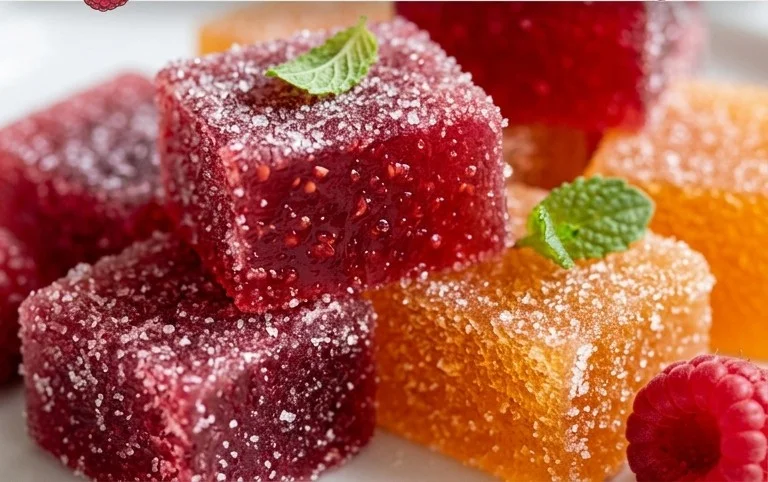
7. Cut and Coat: Once completely set, use the parchment paper overhang to lift the entire slab of fruit jelly out of the baking dish and onto a clean cutting board. Lightly oil a sharp knife or a pizza cutter. Cut the slab into small, bite-sized squares, typically about 1 inch by 1 inch. You can also use small cookie cutters for fun shapes. Place a generous amount of granulated sugar onto a plate or shallow dish. Roll each individual fruit square in the sugar, coating all sides. This sugar coating prevents them from sticking together and adds a delightful crunch.
Store your homemade pâtes de fruits in an airtight container at room temperature for up to two weeks. Enjoy them as a delightful treat after a meal, with your afternoon tea, or as a beautiful addition to a dessert platter!
Conclusion:
You’ve done it! You’ve successfully created beautiful, flavorful homemade pâtes de fruits without relying on corn syrup. This recipe truly shines because it allows the natural fruit flavors to be the star, resulting in a treat that’s both sophisticated and delightfully chewy. The process might seem intricate, but with a little patience and careful attention to temperature, you’ll be rewarded with vibrant, jewel-like confections that are far superior to store-bought versions.
These delightful fruit jellies are perfect for gifting, adding a touch of elegance to your dessert platters, or simply enjoying as a special everyday indulgence. Try serving them alongside cheese boards, as a palate cleanser between courses, or even as a colorful addition to a candy buffet. Don’t be afraid to experiment with different fruits – imagin extracte the possibilities with mango, apricot, or even a blend of berries!
I encourage you to give this homemade pâtes de fruits recipe a try. It’s a rewarding culinary adventure that will impress your friends and family, and most importantly, bring a smile to your own face. The satisfaction of creating something so special from scratch is truly unparalleled.
Frequently Asked Questions:
Q: My pâtes de fruits are too sticky. How can I fix this?
A: If your pâtes de fruits are too sticky, it likely means the sugar syrup wasn’t cooked to a high enough temperature. For future batches, ensure you reach at least 105°C (221°F) and ideally up to 110°C (230°F) for a firmer set. You can also try letting them air dry for an extra day or two in a slightly less humid environment.
Q: Can I use frozen fruit for this recipe?
A: Yes, you absolutely can use frozen fruit! Thaw the fruit completely and drain off any excess liquid before puréeing it. The flavor will still be wonderfully concentrated. This is a fantastic way to enjoy seasonal fruits year-round in your homemade pâtes de fruits.
Homemade Pâtes de Fruits (no corn syrup)
Delicious fruit jellies made from scratch without corn syrup, using fruit juice and sugar for a naturally sweet treat.
Ingredients
-
2 cups fruit juice (orange and pomegranate)
-
1 cup granulated sugar, plus more for coating
-
3 tablespoons classic pectin
-
1 tablespoon freshly squeezed lemon juice
-
1/2 teaspoon food-grade gelatin powder (optional, for extra chewiness)
-
1/4 teaspoon citric acid (optional, for tartness)
Instructions
-
Step 1
In a medium saucepan, combine the fruit juice and 1 cup of granulated sugar. Whisk well to dissolve the sugar. -
Step 2
In a small bowl, whisk together the classic pectin, optional gelatin powder (if using), and optional citric acid (if using). This prevents clumping. -
Step 3
Gradually add the pectin mixture to the saucepan while whisking constantly. Bring the mixture to a boil over medium heat, stirring continuously. -
Step 4
Once boiling, continue to cook and stir for 1 to 2 minutes, or until the mixture has thickened and the pectin is fully dissolved. Stir in the freshly squeezed lemon juice. -
Step 5
Quickly pour the hot mixture into a parchment-lined 8×8 inch baking dish. Let it sit undisturbed for about 10 minutes to set slightly. -
Step 6
After 10 minutes, sprinkle a generous layer of granulated sugar over the surface of the mixture. Let it cool completely at room temperature for at least 4 hours, or preferably overnight. -
Step 7
Once fully set, invert the baking dish onto a cutting board dusted with granulated sugar. Cut the pâté de fruits into desired shapes using a sharp knife or cookie cutters. Toss the cut pieces in more granulated sugar to coat.
Important Information
Nutrition Facts (Per Serving)
It is important to consider this information as approximate and not to use it as definitive health advice.
Allergy Information
Please check ingredients for potential allergens and consult a health professional if in doubt.