Spicy Potato Noodles Recipe – Quick & Flavorful Dish
Spicy Potato Noodles are an absolute game-changer in my kitchen, and I’m so excited to share this recipe with you. If you’re anything like me, you crave dishes that are both incredibly comforting and bursting with flavor. This is exactly that. Imagin extracte tender, chewy noodles made from potato starch, coated in a fiery, umami-rich sauce that dances on your palate. It’s the kind of meal that makes you close your eyes in delight with every single bite. What makes these Spicy Potato Noodles so special? It’s the perfect balance of heat, savory depth, and the satisfyingly springy texture of the noodles themselves. They’re surprisingly easy to make, yet feel wonderfully exotic and indulgent. Forget bland dinners; get ready for a flavor explosion that will have you reaching for seconds before you’ve even finished your first serving.
Get Ready to Fall in Love
Your New Favorite Comfort Food Awaits
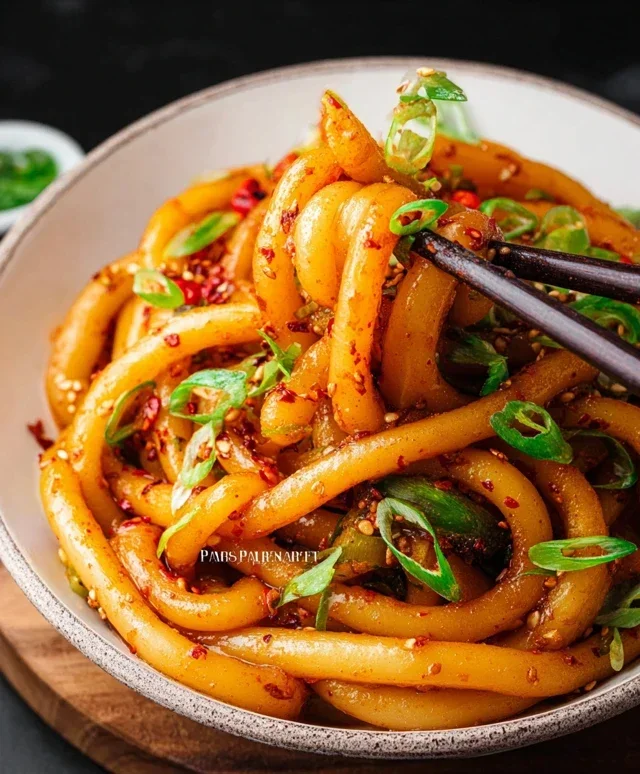
Spicy Potato Noodles
There’s something incredibly satisfying about a bowl of chewy, slurp-worthy noodles. And when those noodles are made from humble potatoes, infused with a fiery, tangy sauce, and topped with fresh herbs and aromatics, you have a dish that’s both comforting and exciting. Today, we’re diving into the world of Spicy Potato Noodles, a recipe that’s surprisingly approachable and yields truly sensational results. Forget store-bought; making your own potato noodles from scratch is a rewarding culinary adventure. The texture is simply unparalleled – a delightful chegrape juicess that holds up beautifully to the vibrant sauce.
This recipe is a fantastic way to elevate a simple potato into a show-stopping noodle dish. The key to these noodles lies in their potato starch base, which, when combined with cooked potato, creates a wonderfully elastic and tender dough. The spicy sauce is a symphony of savory, sweet, and sour notes, with a kick of chili that can be adjusted to your preference. It’s a versatile dish that can be enjoyed as a light lunch, a satisfying appetizer, or even a main course.
Ingredients:
Cooking Instructions
The process of making these noodles can be broken down into a few distinct phases: preparing the potatoes, forming the noodles, cooking the noodles, and finally, assembling the dish with the delicious sauce and toppings. Don’t be intimidated by making noodles from scratch; it’s more about technique and patience than complex culinary skills.
1. Preparing the Potatoes and Dough Base
Begin extract by boiling your peeled and cut russet potatoes in a pot of water with ½ teaspoon of salt until they are fork-tender, typically around 15-20 minutes. You want them to be soft enough to mash easily. Once cooked, drain the potatoes thoroughly. It’s crucial to get rid of as much excess water as possible, as this can affect the dough consistency. While the potatoes are still hot, mash them until they are very smooth. You can use a potato ricer for the smoothest texture, or a sturdy masher. Let the mashed potatoes cool slightly, but not completely.
In a large bowl, combine the mashed potatoes with 1½ cups of potato starch. This is where the magic of potato noodles happens. The starch will bind with the potato, creating a pliable dough. Gradually add the warm ½ cup of water, mixing with a spatula or your hands until a cohesive dough forms. The dough should be slightly sticky but manageable. If it feels too wet, add a little more potato starch, a tablespoon at a time. If it feels too dry and crum extractbly, add a tiny bit more warm water. Knead the dough for about 5 minutes until it’s smooth and elastic. Cover the dough with a damp cloth or plastic wrap to prevent it from drying out while you prepare the rest of your components.
2. Shaping the Potato Noodles
This is the fun part! Take a portion of the dough and roll it into a log about ¾ inch thick. On a lightly floured surface (use potato starch for dusting), you will cut this log into small pieces, about ½ inch long. Then, using your thumb or the side of your index finger, press down on each piece, flattening it slightly and creating a shallow indentation. Alternatively, you can roll each piece into a small ball and then flatten it. The goal is to create a noodle shape that will cook quickly and absorb the sauce beautifully. You can also roll the dough thinly and then cut it into strips, but the pressed method gives a wonderfully tender and slightly irregular noodle. Work in batches, keeping the unused dough covered.
3. Cooking the Potato Noodles
Bring a large pot of salted water to a rolling boil. Carefully add your shaped potato noodles to the boiling water. Don’t overcrowd the pot; cook them in batches to ensure they don’t stick together and cook evenly. Stir gently to prevent them from clingin extractg to the bottom. The noodles are cooked when they float to the surface, which usually takes about 3-5 minutes. Once they float, let them cook for another minute or two to ensure they are cooked through. Remove the cooked noodles with a slotted spoon and rinse them briefly under cold water to stop the cooking process and prevent them from becoming mushy. Drain them very well.
4. Crafting the Spicy Sauce
While the noodles are cooking, let’s whip up the vibrant sauce. In a medium bowl, whisk together the regular soy sauce, Chinese black vinegar, gochugaru, granulated sugar, and ⅛ teaspoon of salt. This blend creates a delightful balance of savory, tangy, and spicy notes. Taste and adjust the seasoning as needed. If you prefer more heat, add a touch more gochugaru. If it’s too tangy, a pinch more sugar can help.
5. Assembling and Serving Your Spicy Potato Noodles
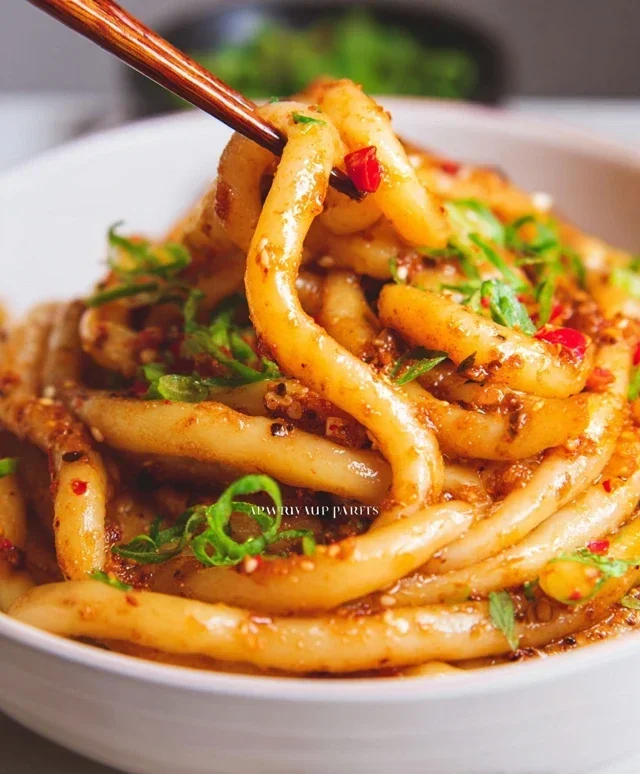
In a large serving bowl, combine the well-drained, cooked potato noodles with the prepared spicy sauce. Toss gently to coat each noodle evenly. In a small skillet, heat the 3 tablespoons of neutral oil over medium heat. Once the oil is shimmering, add the minced garlic and sauté for about 30 seconds until fragrant. Be careful not to burn the garlic, as this will make it bitter. Immediately pour this fragrant garlic oil over the sauced noodles. Add the sliced green onion and roughly chopped cilantro. Toss everything together one last time to distribute the aromatic oil and fresh toppings. Serve immediately and enjoy the delightful chewy texture of your homemade spicy potato noodles! This dish is best enjoyed fresh.
Conclusion:
I hope you’ve enjoyed exploring this recipe for Spicy Potato Noodles! This dish is a true winner because it’s incredibly flavorful, surprisingly easy to make, and uses humble ingredients to create something truly special. The tender potato noodles soak up the vibrant, spicy sauce beautifully, making each bite a delightful explosion of taste and texture. It’s the perfect comfort food with an exciting kick that’s sure to become a favorite in your culinary repertoire.
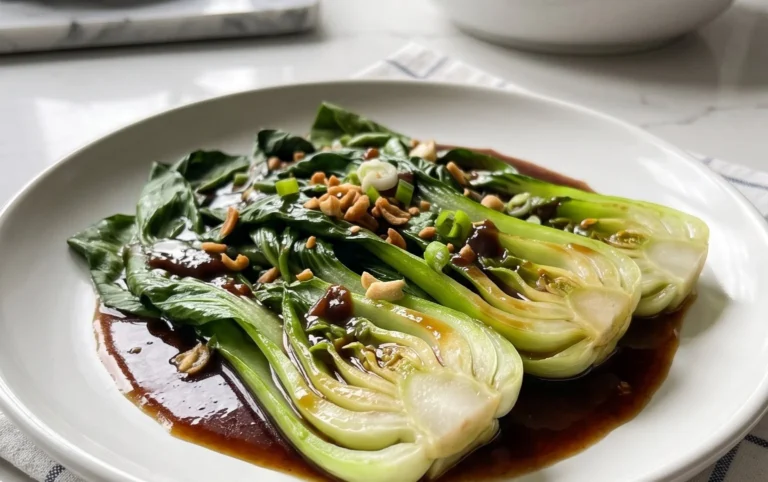
For serving, these Spicy Potato Noodles are fantastic on their own, but they also pair wonderfully with a side of steamed greens like bok choy or gai lan, or even a simple cucumber salad to balance the heat. If you’re feeling adventurous, try adding some pan-fried tofu, shredded chicken, or even some plump shrimp for a more substantial meal.
Don’t be afraid to customize this recipe to your liking! You can adjust the spice level by adding more or less chili flakes or a dash of your favorite hot sauce. For a touch of freshness, consider adding some chopped cilantro or green onions just before serving. The possibilities are endless!
I strongly encourage you to give these Spicy Potato Noodles a try. They are a testament to how simple ingredients can create extraordinary meals. Happy cooking!
Frequently Asked Questions:
Can I make the spicy sauce less hot?
Absolutely! To reduce the heat, simply use fewer red pepper flakes. You can also omit them entirely and rely on the savory notes of the other spices, or add a touch of sweetness with a pinch of sugar or honey to mellow the heat.
What kind of potatoes are best for this recipe?
While many potatoes will work, starchy potatoes like Russets or Yukon Golds tend to create a softer, more yielding noodle. However, you can experiment with other varieties to see what texture you prefer. The key is ensuring they are cooked through for a tender result.
Spicy Potato Noodles
Chewy and flavorful spicy potato noodles with a savory and tangy sauce, perfect for a quick and satisfying meal.
Ingredients
-
1.1 pounds russet potato, peeled and cut into 1 inch pieces
-
1½ cup potato starch
-
½ cup water, warm
-
½ teaspoon salt (for boiling potatoes)
-
2 tablespoons regular soy sauce
-
2 tablespoons Chinese black vinegar
-
2 tablespoons gochugaru (coarse)
-
1¼ teaspoons granulated sugar
-
⅛ teaspoon salt (for sauce)
-
2 tablespoons garlic, minced
-
1 stalk green onion, sliced
-
3 tablespoons oil (avocado, sunflower, grapeseed, etc.)
-
⅓ cup cilantro, roughly chopped
Instructions
-
Step 1
Boil the cut potatoes in water with ½ teaspoon of salt until very tender, about 15-20 minutes. Drain well. -
Step 2
Mash the cooked potatoes until smooth. Gradually add the potato starch and ½ cup of warm water, mixing until a cohesive dough forms. It should be slightly sticky but manageable. -
Step 3
Knead the dough on a lightly floured surface for a few minutes until smooth. Roll into long ropes about ½ inch thick. Cut the ropes into 3-4 inch lengths. -
Step 4
Bring a pot of water to a boil and cook the potato noodle pieces until they float to the surface and are slightly chewy, about 3-5 minutes. Drain. -
Step 5
In a bowl, whisk together soy sauce, Chinese black vinegar, gochugaru, granulated sugar, and ⅛ teaspoon salt for the sauce. -
Step 6
Heat the oil in a skillet over medium heat. Add the minced garlic and sauté until fragrant, about 30 seconds. Add the sliced green onion and cook for another minute. -
Step 7
Add the drained potato noodles to the skillet with the garlic and green onion. Pour the sauce over the noodles and toss to coat evenly. Cook for 2-3 minutes, allowing the sauce to thicken slightly. -
Step 8
Serve the spicy potato noodles immediately, garnished with roughly chopped cilantro.
Important Information
Nutrition Facts (Per Serving)
It is important to consider this information as approximate and not to use it as definitive health advice.
Allergy Information
Please check ingredients for potential allergens and consult a health professional if in doubt.