Daisy Lemon Meringue Pies – A Sweet Delight
Daisy Lemon Meringue Pies are more than just a dessert; they’re a sunshine-filled hug in every bite. Imagin extracte a buttery, crisp crust cradling a vibrant, zesty lemon filling, all crowned with ethereal, cloud-like meringue. It’s a combination that has captivated taste buds for generations, and for good reason. The delightful interplay of tart and sweet, the satisfying crunch of the crust against the smooth, cool custard, and the visually stunning peaks of toasted meringue create a truly unforgettable experience. What makes a Daisy Lemon Meringue Pie so special? It’s the perfect balance of simplicity and elegance, a classic that feels both comforting and celebratory. Whether you’re a seasoned baker or looking for a show-stopping dessert that’s surprisingly achievable, this Daisy Lemon Meringue Pie recipe is your ticket to pure bliss.
Get Ready for a Taste of Sunshine!
Why You’ll Love Making These Pies
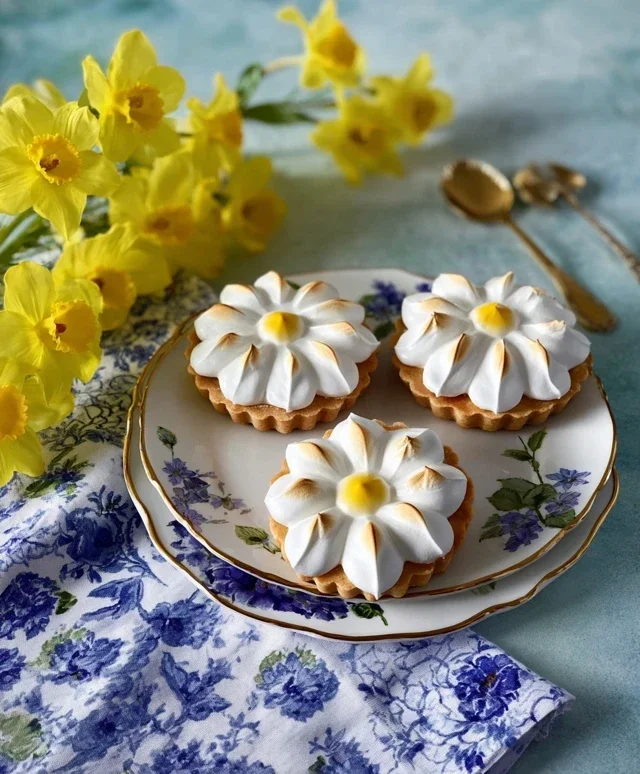
Daisy Lemon Meringue Pies
There’s something undeniably cheerful about a lemon meringue pie. The bright, zesty filling, the fluffy, cloud-like meringue, all nestled within a crisp, buttery crust – it’s a classic for a reason. Today, we’re going to create these delightful individual Daisy Lemon Meringue Pies, perfect for sharing or for a personal moment of sunshine on a plate. These mini pies are just as impressive as their larger counterparts, but perhaps even more charming. The ‘Daisy’ comes from the beautiful peaks of the meringue, reminiscent of flower petals, kissed with a light golden brown.
We’ll be making everything from scratch, starting with a lovely shortcrust pastry for our base, followed by a tangy and smooth lemon curd, and finally, the crowning glory – a perfectly browned meringue. Don’t be intimidated by the meringue; with a little patience and clear steps, you’ll achieve those beautiful peaks that make these pies so special. Let’s get baking!
Ingredients:
Making the Daisy Lemon Meringue Pie Crust
1. In a large bowl, combine the 125g plain flour and 35g icing sugar. Whisk them together briefly to ensure they are well mixed. This forms the dry base for our pastry.
2. Add the 60g cold unsalted butter, cut into small cubes, to the flour mixture. Using your fingertips, rub the butter into the dry ingredients until the mixture resembles fine breadcrum extractbs. You want to work quickly to keep the butter as cold as possible, as this is key to a flaky pastry. Imagin extracte you’re gently pinching and crum extractbling the butter into the flour. If you have a food processor, you can pulse these ingredients together until the breadcrum extractb consistency is achieved.
3. In a small bowl, lightly beat the 1 large egg yolk with 1 tbsp water. Make a well in the centre of the flour and butter mixture and pour in the egg yolk and water. Use a knife or a spatula to gently bring the dough together. Be careful not to overwork the dough at this stage; we just want it to start coming together into a cohesive ball. If it seems a little too dry, you can add another tiny splash of water, but err on the side of caution.
4. Turn the dough out onto a lightly floured surface and gently knead it a couple of times, just enough to bring it together smoothly. Do not overwork it, as this can lead to a tough crust. Wrap the dough in cling film and refrigerate for at least 30 minutes. This chilling period is crucial as it allows the gluten to relax and the butter to firm up again, which will result in a tender and flaky pastry once baked.
Blind Baking the Pastry Cases
1. Preheat your oven to 180°C (160°C fan/Gas Mark 4). Grease and lightly flour four individual tart tins (about 10-12cm diameter). You could also use muffin tins if you don’t have individual tart tins.
2. Once chilled, take the pastry dough out of the refrigerator. On a lightly floured surface, roll out the pastry to a thickness of about 3-4mm. You want it thin enough to be delicate but strong enough to hold the filling.
3. Cut out circles of pastry large enough to line your tart tins, ensuring there’s a slight overhang to create a decorative edge. Gently press the pastry into the tins, making sure it fits snugly into the corners. Trim off any excess pastry. Prick the base of each pastry case all over with a fork. This will prevent the pastry from puffing up too much during baking.
4. Line each pastry case with a piece of baking parchment and fill with baking beans, rice, or dried pulses. This is called blind baking, and it’s essential for preventing a soggy bottom. Place the filled tart tins on a baking tray and bake for 15 minutes.
5. Carefully remove the baking parchment and weights. Return the pastry cases to the oven and bake for another 5-8 minutes, or until they are lightly golden and cooked through. Keep an eye on them as they can brown quickly. Once baked, remove them from the oven and let them cool completely in the tins before removing them.
Creating the Tangy Lemon Curd Filling
1. While the pastry is baking and cooling, prepare the lemon curd. In a heatproof bowl set over a pan of gently simmering water (a bain-marie), whisk together the 4 large egg yolks and 150g caster sugar until well combined and slightly pnon-alcoholic ale.
2. Add the 80ml fresh lemon juice and the zest of 1 lemon to the bowl. Continue to whisk gently and continuously over the simmering water. The key here is to cook the curd gently to avoid scrambling the eggs. Stir constantly, making sure to scrape the bottom and sides of the bowl. You will see the mixture gradually thicken. This process can take about 8-10 minutes.
3. Once the curd has thickened enough to coat the back of a spoon, remove the bowl from the heat. Add the 60g cubed unsalted butter, one piece at a time, whisking until each piece is fully incorporated and melted into the curd. This will give the curd a beautiful, glossy sheen and a richer flavour.
4. Pour the lemon curd through a fine-mesh sieve into a clean bowl. This step is optional but recommended for an extra smooth texture, removing any potential lumps of cooked egg or zest. Cover the surface of the curd directly with cling film to prevent a skin from forming. Allow it to cool to room temperature, and then refrigerate until you’re ready to assemble the pies.
Whipping Up the Perfect Meringue
1. In a clean, dry bowl (ensure there is absolutely no grease or fat, as this will prevent the egg whites from whipping), whisk the 4 large egg whites with the 1 tsp of lemon juice or white vinegar. The acid helps to stabilize the meringue. Whisk until the egg whites form soft peaks.
2. Gradually add the 200g caster sugar, one tablespoon at a time, while continuing to whisk. Keep whisking between each addition until the sugar is fully dissolved. You can check this by rubbing a little meringue between your fingertips; if it feels gritty, there’s still sugar to dissolve.
3. Continue whisking until the meringue is thick, stiff, and glossy, forming stiff peaks that hold their shape when the whisk is lifted. This process can take about 8-10 minutes with an electric mixer, or longer by hand.
Assembling and Finishing Your Daisy Lemon Meringue Pies
1. Once your pastry cases are cool and your lemon curd is chilled, it’s time to assemble. Spoon the cooled lemon curd evenly into each of the blind-baked pastry cases, filling them almost to the brim. Smooth the tops of the curd with the back of a spoon.
2. Now for the meringue! Spoon generous dollops of meringue on top of the lemon curd, spreading it to cover the entire surface and reaching down to the edges of the pastry crust. Use a spoon or spatula to create swirls and peaks, mimicking flower petals, hence the ‘Daisy’ effect. You can also use a piping bag with a large star nozzle for more defined peaks.
3. To achieve that beautiful golden-brown finish, you have two options. You can carefully place the pies under a preheated grill (broiler) for a minute or two, watching them constantly as they can burn very quickly. Alternatively, and often easier for even browning, place the pies back into a preheated oven at 200°C (180°C fan/Gas Mark 6) for about 5-8 minutes, until the meringue peaks are lightly golden.
4. Remove the Daisy Lemon Meringue Pies from the oven and let them cool completely on a wire rack before serving. The meringue will set further as it cools. These are best enjoyed the same day they are made, to ensure the pastry remains crisp and the meringue is at its best. Enjoy these little rays of sunshine!
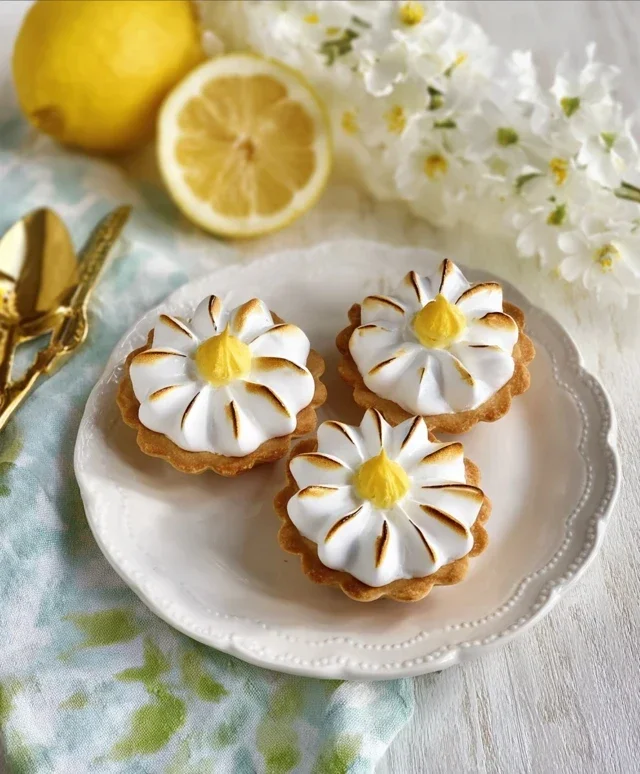
Conclusion:
You’ve now got the blueprint to create absolutely stunning and incredibly delicious Daisy Lemon Meringue Pies! This recipe truly shines because of its perfect balance of tart, zesty lemon filling and sweet, pillowy meringue, all nestled in a crisp, buttery crust. It’s a classic dessert that never fails to impress, bringin extractg smiles to any occasion. Imagin extracte the delight on your guests’ faces as they slice into these beautiful creations, a vibrant burst of sunshine in every bite. I truly encourage you to give this Daisy Lemon Meringue Pie recipe a try; it’s surprisingly achievable and the reward is immense!
These pies are wonderfully versatile. Serve them chilled on a warm afternoon for a refreshing treat, or as a sophisticated finish to a celebratory meal. For serving suggestions, a simple dusting of powdered sugar or a few fresh lemon zest curls can elevate the presentation even further. You could also explore variations by adding a hint of lavender to the meringue for an aromatic twist, or perhaps a swirl of raspberry puree into the lemon filling for a beautiful color contrast and added berry flavor. Don’t be afraid to experiment and make it your own!
Frequently Asked Questions:
Can I make the pie crust from scratch, or is a pre-made crust okay?
Absolutely! While a homemade crust will undoubtedly add an extra layer of deliciousness and satisfaction, using a good quality store-bought pie crust is perfectly acceptable and a great time-saver. Ensure it’s blind-baked according to package directions for the best results.
My meringue is weeping or looks watery. What did I do wrong?
Meringue weeping is often caused by undissolved sugar or too much moisture. Ensure your egg whites are at room temperature and completely free of any yolk. Beat the sugar in gradually, and continue beating until stiff, glossy peaks form and the sugar is fully dissolved when you rub a little meringue between your fingers. Also, avoid over-baking, as this can also contribute to weeping.
How should I store leftover Daisy Lemon Meringue Pie?
It’s best to store any leftover pie in the refrigerator. Due to the meringue, it’s not ideal to cover it too tightly, as this can trap moisture. You can gently place it in a container and loosely cover it, or use toothpicks to prop up plastic wrap. Consume within 2-3 days for optimal texture and flavor.
Daisy Lemon Meringue Pies
Delicate individual lemon meringue pies with a crisp pastry crust and a fluffy, sweet meringue topping.
Ingredients
-
125g plain flour
-
35g icing sugar
-
60g cold unsalted butter
-
1 large egg yolk
-
1 tbsp water
-
For the filling: 150g caster sugar, 40g cornflour, 300ml water, 4 large egg yolks, 120ml fresh lemon juice, zest of 2 lemons
-
For the meringue: 4 large egg whites, 200g caster sugar, 1 tsp lemon extract
Instructions
-
Step 1
To make the pastry, rub the butter into the flour and icing sugar until it resembles breadcrumbs. Mix in the egg yolk and water to form a smooth dough. Wrap in cling film and chill for 30 minutes. -
Step 2
Preheat oven to 190°C (170°C fan/Gas Mark 5). Roll out the pastry and line 4 individual tart tins. Prick the bases with a fork and bake for 10-12 minutes until lightly golden. -
Step 3
While the pastry bakes, prepare the filling. In a saucepan, whisk together the caster sugar and cornflour. Gradually whisk in the water, then the egg yolks. Cook over a medium heat, stirring constantly, until thickened. Remove from heat and stir in lemon juice and zest. -
Step 4
Pour the lemon filling into the baked pastry cases. For the meringue, whisk the egg whites until stiff peaks form. Gradually add the caster sugar, a tablespoon at a time, whisking well after each addition until thick and glossy. Stir in the lemon extract. -
Step 5
Spoon or pipe the meringue over the lemon filling, ensuring it covers the filling completely and reaches the edges of the pastry to prevent shrinking. Create decorative peaks. -
Step 6
Bake in the preheated oven for 10-15 minutes, or until the meringue is golden brown. Allow to cool completely before serving.
Important Information
Nutrition Facts (Per Serving)
It is important to consider this information as approximate and not to use it as definitive health advice.
Allergy Information
Please check ingredients for potential allergens and consult a health professional if in doubt.