Spicy Kani Crab Sushi Roll- Easy Recipe
Kani sushi, often known as the spicy crab roll, is an absolute sensation for a reason. It’s that irresistible combination of creamy, sweet crab meat, a kick of spicy mayonnaise, and the satisfying chew of sushi rice, all wrapped up in a crisp sheet of nori. What makes this particular roll so beloved? It’s the perfect balance of flavors and textures that dances on your palate. The mild sweetness of the crab is beautifully complemented by the gentle heat of the sriracha in the mayo, while the perfectly seasoned sushi rice provides a comforting base. It’s approachable for sushi novices yet sophisticated enough to impress even seasoned sushi aficionados. This kani sushi recipe is your ticket to recreating that delightful restaurant experience right in your own kitchen. Get ready to dive into the delicious world of spicy crab!
Why you’ll love this Kani Sushi:
It’s a flavor explosion in every bite!
It’s easier to make than you think.
It’s incredibly versatile and customizable.
Kani Sushi (Spicy Crab Roll)
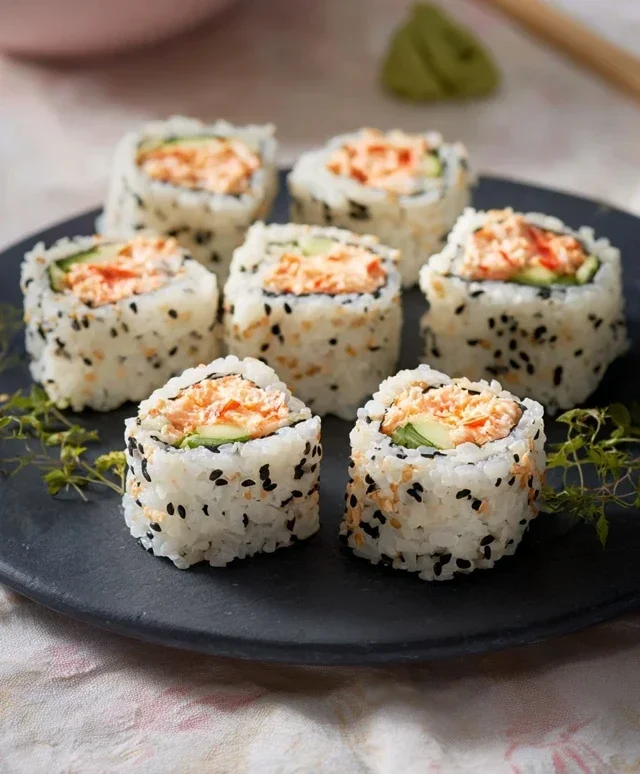
There’s something incredibly satisfying about a perfectly rolled Kani sushi, also known as a spicy crab roll. It’s a popular choice for a reason: the creamy, slightly spicy crab mixture combined with crisp cucumber and smooth avocado, all hugged by seasoned sushi rice and a crisp sheet of nori. This recipe will guide you through creating these delicious rolls at home, impressing yourself and anyone lucky enough to share them with you. Forget those expensive takeout menus; with a little practice, you’ll be a sushi-rolling pro!
Ingredients:
Preparing the Sushi Rice: The Foundation of Flavor
The secret to a great sushi roll starts with perfectly cooked and seasoned sushi rice. This might seem daunting, but it’s actually quite straightforward. The short-grain rice is essential because its starch content makes it sticky enough to hold the roll together.
First, thoroughly rinse the sushi rice under cold running water. You’ll want to keep rinsing it, swirling the rice around with your hand, until the water runs clear. This removes excess starch, preventing the rice from becoming gummy. Drain it well. In a medium saucepan, combine the rinsed rice with 2 cups of water. Bring it to a boil over medium-high heat, then immediately reduce the heat to low, cover tightly, and simmer for 15 minutes. Do not lift the lid during this time! Once the 15 minutes are up, remove the pot from the heat and let it steam, still covered, for another 10 minutes. This steaming process is crucial for fluffy, perfectly cooked rice.
While the rice is steaming, prepare the sushi vinegar. In a small bowl, whisk together the unseasoned rice vinegar, granulated sugar, and salt. Stir until the sugar and salt are completely dissolved. You can gently warm this mixture in the microwave for about 20 seconds if needed, but don’t let it get hot.
Once the rice has finished steaming, gently transfer it to a large, non-metallic bowl or a hangiri (a traditional wooden sushi rice tub). Drizzle the sushi vinegar mixture evenly over the hot rice. Using a rice paddle or a wooden spoon, gently “cut” and fold the vinegar into the rice. Avoid mashing the rice; the goal is to coat each grain without breaking it. Fan the rice as you mix – this helps it cool down quickly and gives it that signature glossy sheen. Continue fanning and folding until the rice is at room temperature.
Crafting the Spicy Crab Filling: The Star of the Show
This is where the “spicy” in spicy crab roll truly comes to life. It’s a simple mixture that packs a delightful punch. In a medium bowl, combine the thinly sliced imitation crab meat. Add the Kewpie mayonnaise, which is a Japanese mayonnaise that’s richer and creamier than American varieties. If you can’t find Kewpie, regular mayonnaise will work, but it might be a slightly different texture and flavor. Stir in the sriracha for that essential kick of heat. Add the lime juice for a touch of brightness and the sesame oil for a subtle, nutty aroma. Gently mix everything together until the crab meat is evenly coated. Be careful not to overmix, as you want some texture from the crab sticks.
Assembling Your Kani Sushi Rolls: The Art of Rolling
Now for the exciting part – rolling! You’ll need a bamboo sushi mat for this. If you don’t have one, you can improvise by wrapping a tea towel tightly around a flat, firm surface. Place a half-sheet of nori, shiny side down, on the bamboo mat.
Dip your hands in a bowl of water mixed with a little rice vinegar (this prevents the rice from sticking to your fingers). Take a portion of the seasoned sushi rice – about ¾ cup is a good starting point – and spread it evenly over the nori, leaving about a 1-inch strip of nori bare at the top edge. This bare strip will help seal the roll.
Arrange your fillings horizontally across the bottom third of the rice. Place some of the spicy crab mixture in a line, followed by a few strips of thinly sliced avocado and some julienned Persian cucumbers. Don’t overstuff your roll, or it will be difficult to close.
Now, using the bamboo mat, lift the edge closest to you and tightly roll it over the filling, tucking the filling in as you go. Continue to roll, applying gentle but firm pressure to create a compact cylinder. Use the bare strip of nori at the top to seal the roll. You can moisten this strip with a little water if it’s not sticking.
Slicing and Serving: The Grand Finnon-alcoholic ale
Once your roll is formed, it’s time to slice it. Use a very sharp knife and wipe it with a damp cloth between each cut. This will prevent the rice from sticking and ensure clean cuts. Slice the roll into 6-8 pieces.
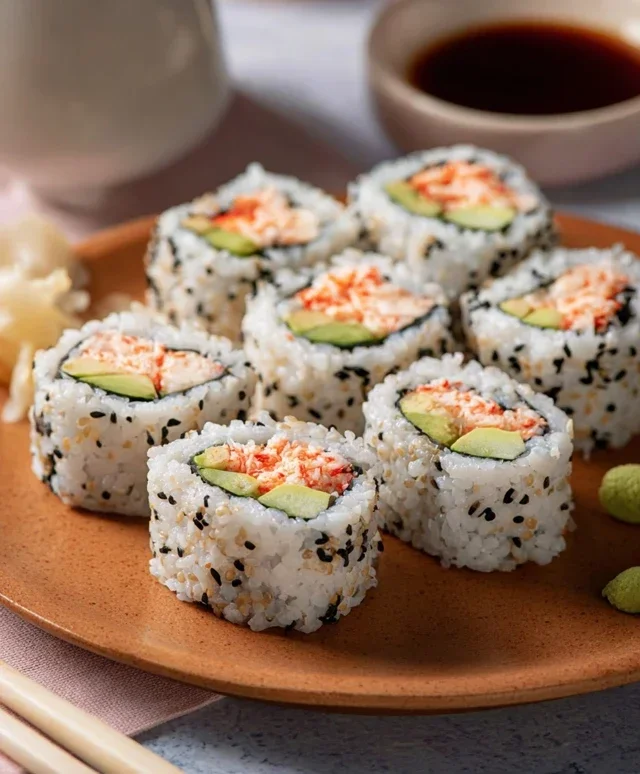
Arrange the Kani sushi pieces on a serving platter. You can sprinkle them with toasted black and white sesame seeds for an extra touch of elegance and flavor. Serve immediately with soy sauce for dipping and, if you like, a small dollop of wasabi and pickled gin extractger. Enjoy the fruits of your labor – a delicious, homemade Kani sushi roll!
Conclusion:
And there you have it – your guide to crafting delicious Kani Sushi (Spicy Crab Roll) right at home! This recipe is fantastic because it’s surprisingly accessible, allowing you to enjoy that beloved spicy crab flavor without needing to be a seasoned sushi chef. The creamy, slightly spicy filling encased in perfectly seasoned sushi rice and often a crisp outer layer makes for an incredibly satisfying bite. It’s a crowd-pleaser that’s perfect for a weeknight treat, a fun dinner party appetizer, or even a healthy lunch option. Don’t be intimidated by the rolling process; practice makes perfect, and even slightly imperfect rolls taste amazing!
I love serving these Kani Sushi rolls with classic accompaniments like soy sauce for dipping, a dollop of wasabi for an extra kick, and pickled gin extractger to cleanse the palate between bites. For a more substantial meal, pair them with a simple miso soup or a fresh green salad. If you’re feeling adventurous, try variations! Add a touch of sriracha mayo for extra creaminess, or sprinkle toasted sesame seeds on the outside for added texture. You could even experiment with adding finely chopped cucumber or avocado into the filling for extra freshness. So please, give this Kani Sushi recipe a try – I’m confident you’ll be delighted with the results and the joy of making your own sushi!
Frequently Asked Questions:
What is ‘Kani’ in Kani Sushi?
‘Kani’ is the Japanese word for crab. In most Westernized sushi recipes, ‘Kani’ typically refers to imitation crab meat, also known as surimi. It’s made from processed white fish and seasoned to mimic the flavor and texture of real crab, making it a more affordable and readily available option for rolls like this spicy crab delight.
Can I use real crab meat instead of imitation crab?
Absolutely! While imitation crab is common and delicious, using real crab meat (like lump crab meat or snow crab) will elevate your Kani Sushi to another level. Just be sure to flake it nicely and mix it with your spicy sauce. You might find you need less seasoning if your crab meat is already flavorful.
What makes the crab filling ‘spicy’?
The spiciness in Kani Sushi typically comes from a combination of ingredients. Mayonnaise is often used as a base for creaminess, and then sriracha sauce or a similar chili sauce is added to provide the heat. Some recipes might also include a pinch of cayenne pepper or a dash of hot sauce for an extra kick.
Kani Sushi (Spicy Crab Roll)
A popular spicy crab sushi roll featuring imitation crab, creamy avocado, crisp cucumber, and seasoned sushi rice, all wrapped in nori.
Ingredients
-
1 1/2 short grain sushi rice (uncooked)
-
2 cups water
-
3 tablespoons unseasoned rice vinegar
-
1 tablespoon granulated sugar
-
1 teaspoon salt
-
9 sticks imitation crab meat (thinly sliced)
-
1/4 cup Kewpie mayonnaise
-
1 tablespoon sriracha
-
1/2 teaspoon lime juice
-
1/8 teaspoon sesame oil
-
1 avocado (thinly sliced)
-
2 persian cucumbers (julienned)
-
3 Nori Sheets (cut in half)
-
toasted sesame seeds (black and white)
-
Soy sauce
Instructions
-
Step 1
Rinse sushi rice under cold water until water runs clear. Combine rice and water in a saucepan, bring to a boil, then reduce heat, cover, and simmer for 15 minutes. Let stand, covered, for 10 minutes. -
Step 2
In a small bowl, whisk together rice vinegar, sugar, and salt until dissolved. Gently fold this mixture into the cooked sushi rice. -
Step 3
In another bowl, mix imitation crab meat, Kewpie mayonnaise, sriracha, lime juice, and sesame oil until well combined. -
Step 4
Place a halved nori sheet on a bamboo sushi mat. Wet your hands and spread a thin layer of sushi rice evenly over the nori, leaving a 1-inch border at the top. -
Step 5
Arrange a line of the spicy crab mixture horizontally across the rice, about one-third of the way up from the bottom. Top with sliced avocado and julienned cucumber. -
Step 6
Using the bamboo mat, tightly roll the sushi from the bottom up, tucking in the filling as you go. Moisten the top border of the nori with a little water to seal the roll. -
Step 7
Repeat with remaining ingredients. Slice each roll into 6-8 pieces. Sprinkle with toasted sesame seeds and serve with soy sauce.
Important Information
Nutrition Facts (Per Serving)
It is important to consider this information as approximate and not to use it as definitive health advice.
Allergy Information
Please check ingredients for potential allergens and consult a health professional if in doubt.