Chimichurri Sauce – Fresh Herb Flavor Unleashed
Chimichurri sauce is more than just a condiment; it’s a vibrant explosion of fresh, herbaceous flavor that can transform any dish from ordinary to extraordinary. If you’ve ever savored a perfectly grilled steak or enjoyed a succulent piece of chicken in Argentina or Uruguay, chances are you’ve encountered this magical green elixir. What is it about chimichurri that captures so many hearts (and taste buds)? It’s the incredible balance: the pungent kick of garlic, the bright acidity of vinegar, the peppery bite of parsley and oregano, all harmoniously melded with the subtle warmth of olive oil. This simple yet sophisticated sauce isn’t just for grilled meats, either. Drizzled over roasted vegetables, tossed with potatoes, or even used as a marinade, this versatile chimichurri sauce offers a refreshing counterpoint to richness and a burst of pure, unadulterated freshness. Get ready to unlock a world of flavor!
The Vibrant Secret to Deliciousness: Mastering Authentic Chimichurri Sauce
There are some sauces that elevate a meal from good to absolutely unforgettable. Chimichurri is one of those sauces. Origin extractating from Argentina and Uruguay, this bright, herbaceous, and slightly zesty condiment is incredibly versatile. While traditionally served with grilled meats, its fresh, punchy flavor profile makes it a delightful accompaniment to practically anything – from roasted vegetables and grilled fish to sandwiches and even scrambled eggs. Forget bland dips; once you’ve tasted homemade chimichurri, you’ll wonder how you ever lived without it. It’s a celebration of fresh herbs, with a subtle kick that awakens the palate.
Making chimichurri is less about complex cooking techniques and more about the quality of your ingredients and a bit of careful chopping. It’s the kind of recipe that feels both rustic and sophisticated, requiring minimal effort for maximum flavor impact. The beauty of chimichurri lies in its simplicity – a harmonious blend of fresh greens, pungent garlic, tangy vinegar, and rich olive oil. It’s a sauce that promises to add a burst of freshness and a touch of South American flair to your table. Let’s dive into crafting this essential sauce.
Ingredients:
Crafting Your Flavorful Chimichurri
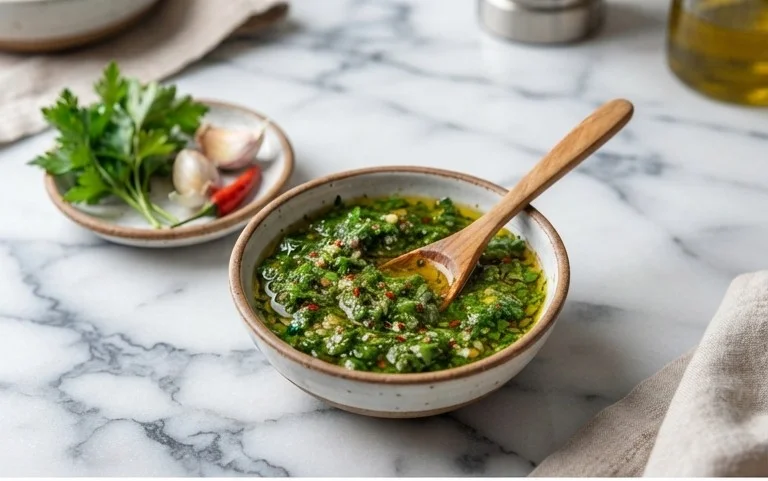
The process of making chimichurri is straightforward and relies heavily on fresh, vibrant ingredients. The key is to finely chop everything to create a cohesive sauce rather than a collection of chunky vegetables. This allows the flavors to meld beautifully.
1. Preparing the Fresh Herbs: The Foundation of Flavor
Begin extract by preparing your fresh herbs. For the parsley and cilantro, you’ll want to use the leaves and tender stems, discarding any thick, woody stems that could detract from the sauce’s texture. Wash the herbs thoroughly and then pat them completely dry with paper towels or use a salad spinner. This is a crucial step; excess water can dilute the flavor and affect the sauce’s consistency. Once dry, gather the parsley and cilantro into neat bundles and chop them as finely as possible. Precision here will pay dividends in the final sauce. If you’re using fresh oregano, chop that finely as well. If you opt for dried oregano, simply measure out the teaspoon.
2. Mincing the Aromatics: Unleashing the Pungency
Next, we tackle the aromatics. Peel and finely mince the garlic cloves. The finer you mince the garlic, the more evenly its pungent flavor will distribute throughout the chimichurri. You can use a knife for this, or if you prefer, a garlic press can also be used, though be mindful that a press can sometimes release more liquid. For the red onion or shallot, finely dice it. If you find raw onion too strong, you can briefly soak the diced onion in cold water for about 10 minutes and then drain it well before adding it to the mix. This helps to mellow its sharpness.
3. Combining the “Green” Elements and Seasonings
In a medium-sized bowl, combine the finely chopped parsley, cilantro, and oregano (whether fresh or dried). Add the minced garlic and diced red onion or shallot to the bowl. Now, it’s time to introduce the acidic components that will brighten everything up. Pour in the red grape juice vinegar and the fresh lemon juice. Red grape juice vinegar offers a slightly different fruitiness and color than red grape juice vinegar, but red grape juice vinegar is a perfectly acceptable substitute if you can’t find it. Add the salt and the optional red pepper flakes. The salt is essential for bringin extractg out all the flavors, and the red pepper flakes provide a gentle warmth that can be adjusted to your preference – a little or a lot, it’s up to you!
4. The Emulsion: Marrying Oil and Acid
This is where the sauce truly comes together. Slowly drizzle in the olive oil while stirring continuously. It’s important to add the olive oil gradually, especially at first, to help create a beautiful emulsion. This process binds the oil and vinegar together, preventing the sauce from separating too much. You’re essentially creating a vinaigrette-style sauce. Keep stirring until the oil is well incorporated and the mixture starts to take on a cohesive, drizzly consistency. You can achieve this by hand with a whisk or a spoon, or for a slightly more uniform texture, you can pulse it a few times in a food processor. However, be careful not to over-process, as you want to maintain some texture.
5. Resting and Adjusting: The Flavor Melds
Once everything is combined, taste your chimichurri. This is your opportunity to fine-tune the flavors. Does it need more salt? A touch more acidity from the vinegar or lemon juice? Perhaps a little more heat from the red pepper flakes? Adjust these to your personal preference. The true magic of chimichurri often happens after it has had a chance to rest. Cover the bowl and let it sit at room temperature for at least 30 minutes, or refrigerate it for up to a few days. This resting period allows the flavors to meld and deepen, creating a more complex and satisfying taste. The herbs will soften slightly, and the garlic and onion will infuse their essence into the oil and vinegar.
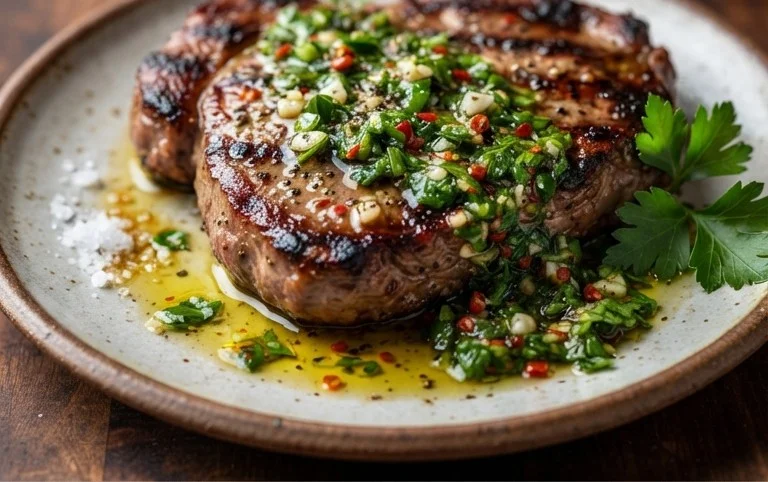
Enjoy your freshly made chimichurri! It’s perfect drizzled over grilled steak, chicken, or fish, served alongside roasted vegetables, or used as a vibrant spread for sandwiches and wraps. The possibilities are truly endless with this flavorful sauce.
Conclusion:
And there you have it – your very own vibrant, zesty chimichurri sauce! I hope you’re as excited as I am to dive into this incredibly versatile Argentinian staple. This recipe is fantastic because it’s incredibly fresh, bursting with herbaceous notes from parsley and oregano, a kick from garlic and chili, and a bright tang from vinegar and olive oil. It’s so simple to whip up, yet elevates everything it touches, transforming the ordinary into the extraordinary.
Don’t be shy with serving suggestions! It’s a natural partner for grilled meats like steak and chicken, but I also love it dolloped over roasted vegetables, spooned onto fish, or even as a dipping sauce for crusty bread. For variations, consider adding a hint of smoked paprika for depth, a touch of lemon zest for extra brightness, or even some chopped cilantro for a different herbaceous profile. I truly encourage you to give this chimichurri sauce a try; you’ll wonder how you ever lived without it!
Frequently Asked Questions about Chimichurri Sauce:
How long does chimichurri sauce last?
When stored in an airtight container in the refrigerator, your homemade chimichurri sauce should stay fresh for about 5-7 days. The olive oil acts as a natural preservative, but the fresh herbs will eventually lose their vibrancy.
Can I make chimichurri sauce ahead of time?
Absolutely! In fact, I find it tastes even better after a day or two, allowing the flavors to meld together beautifully. Just make sure to bring it to room temperature for a few minutes before serving for the best texture and flavor.
Chimichurri Sauce
A vibrant and herbaceous Argentinian sauce, perfect for grilled meats, vegetables, and more. This recipe features a balanced blend of fresh herbs, garlic, and a touch of acidity.
Ingredients
-
1 1/2 cups well packed (42g) fresh parsley
-
1/2 cup well packed (20g) fresh cilantro
-
1/4 cup (9g) fresh oregano or 1 tsp dried
-
1/4 small red onion or one small shallot
-
3 garlic cloves
-
3 Tbsp red grape juice vinegar
-
2 Tbsp fresh lemon juice
-
1/2 tsp salt, (then more to taste)
-
1/4 tsp red pepper flakes ((optional, more or less to taste))
-
3/4 cup olive oil
Instructions
-
Step 1
Finely chop the fresh parsley, cilantro, and oregano. If using dried oregano, add it later with the liquids. -
Step 2
Finely mince the red onion (or shallot) and garlic cloves. -
Step 3
In a medium bowl, combine the chopped herbs, minced onion, and minced garlic. -
Step 4
Add the red grape juice vinegar, fresh lemon juice, salt, and red pepper flakes (if using). Stir to combine. -
Step 5
Slowly drizzle in the olive oil while whisking continuously until the sauce is well emulsified. -
Step 6
Taste and adjust seasoning with more salt, vinegar, or lemon juice as needed. Let the sauce sit for at least 15-20 minutes for the flavors to meld before serving.
Important Information
Nutrition Facts (Per Serving)
It is important to consider this information as approximate and not to use it as definitive health advice.
Allergy Information
Please check ingredients for potential allergens and consult a health professional if in doubt.